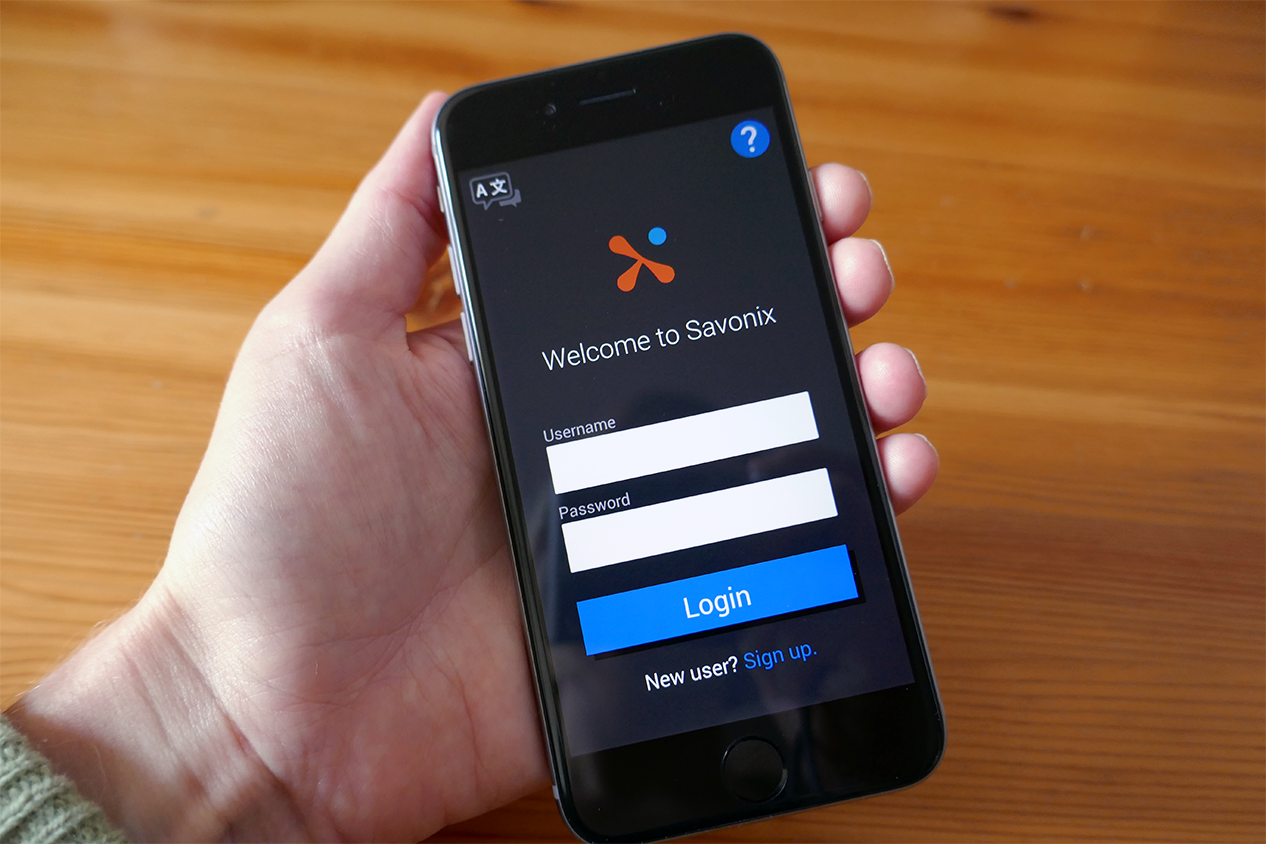
Savonix Mobile
43.4 million in the U.S. have been diagnosed with cognitive disorders. Less than 1,000 clinicians are licensed to administer cognitive testing. That's 43,000+ patients per qualified clinician.
43.4 million in the U.S. have been diagnosed with cognitive disorders. Less than 1,000 clinicians are licensed to administer cognitive testing. That's 43,000+ patients per qualified clinician.
As a founding member of the Savonix team, I was part of an ambitious project to design and develop a cognitive screening (i.e. brain function) test delivered via cross-platform mobile app.
Background
Traditional pen and paper neurocognitive testing has been in use since the 1930s, and hasn’t evolved hand-in-hand with advances in technology. Even today a licensed clinician sits in a room with a patient and administers a series of pen and paper tasks while taking notes by hand and timing the patient with a stopwatch.
Traditional pen and paper neurocognitive testing has been in use since the 1930s, and hasn’t evolved hand-in-hand with advances in technology. Even today a licensed clinician sits in a room with a patient and administers a series of pen and paper tasks while taking notes by hand and timing the patient with a stopwatch.
Goals
Improve patient care outcomes while reducing time and cost.
Improve patient care outcomes while reducing time and cost.
Constraints
• Short runway – limited angel/seed funding
• Small product team – 1 UX / creative (me), 2 engineers, 1 producer, 1 clinician
• Fixed beta launch date
• One app for patients aged 8-80
• Must perform consistently on low end mobile devices (both Android and Apple)
• Short runway – limited angel/seed funding
• Small product team – 1 UX / creative (me), 2 engineers, 1 producer, 1 clinician
• Fixed beta launch date
• One app for patients aged 8-80
• Must perform consistently on low end mobile devices (both Android and Apple)
The Approach
1. Discovery - It’s not all just fun and games
Researched competitive landscape from brain training apps to apps designed for specific clinical research. Researched and dug into why some games/apps were popular while others were not. Dissected paper testing and paper test methods to better understand the pain points of paper testing from both the patient and clinician perspective. How could we ease those pain points and make for a smooth test experience?
Researched competitive landscape from brain training apps to apps designed for specific clinical research. Researched and dug into why some games/apps were popular while others were not. Dissected paper testing and paper test methods to better understand the pain points of paper testing from both the patient and clinician perspective. How could we ease those pain points and make for a smooth test experience?
How could we differentiate ourselves? With a clean, simple, and intuitive user experience designed with user empathy first.
Persona development
Through research and conversations with clinicians, I put together a quick set of personas for us to use as a tool for making key design and engineering decisions.
Through research and conversations with clinicians, I put together a quick set of personas for us to use as a tool for making key design and engineering decisions.
2. Define
As a product team, we discussed and agreed to a stacked rank set of priorities against which we could quickly vet every feature/idea to ensure we focused on what was needed for the open beta launch.
As a product team, we discussed and agreed to a stacked rank set of priorities against which we could quickly vet every feature/idea to ensure we focused on what was needed for the open beta launch.
As the solo UX on the project, I opted for a lean UX approach which involved thoughtful and collaborative design focused on solving user problems first.
We also decided as a team that we wanted to fail fast. Which meant that we worked in short collaborative 1-2 week sprints, focusing on creating quick prototypes (paper + digital) so we could test, tweak, and retest before engineering solutions.
3. Prototype, test, repeat
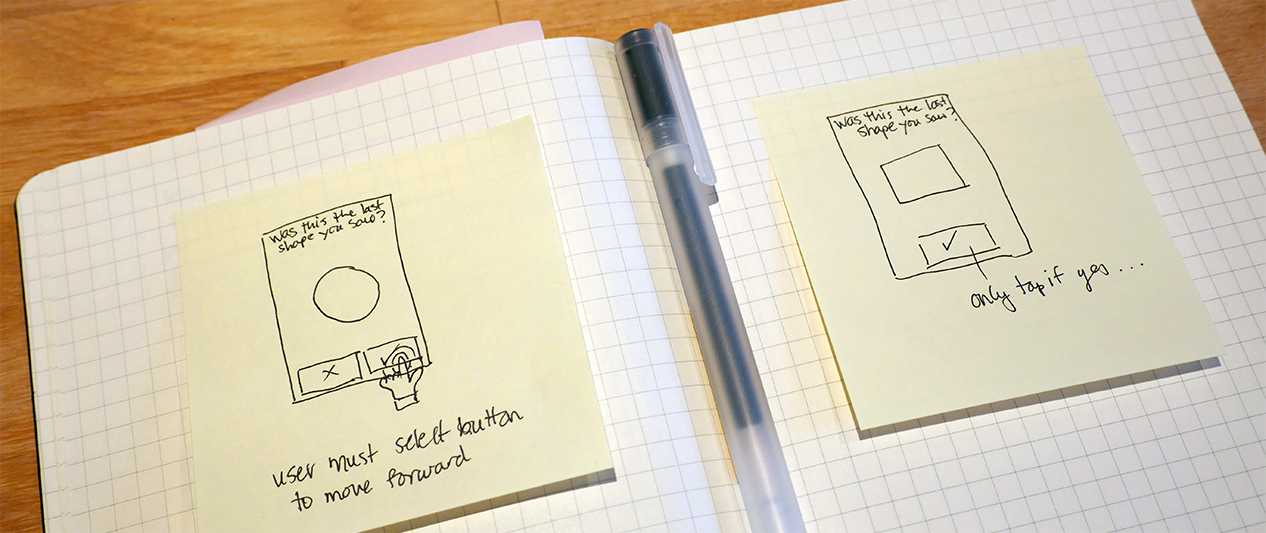
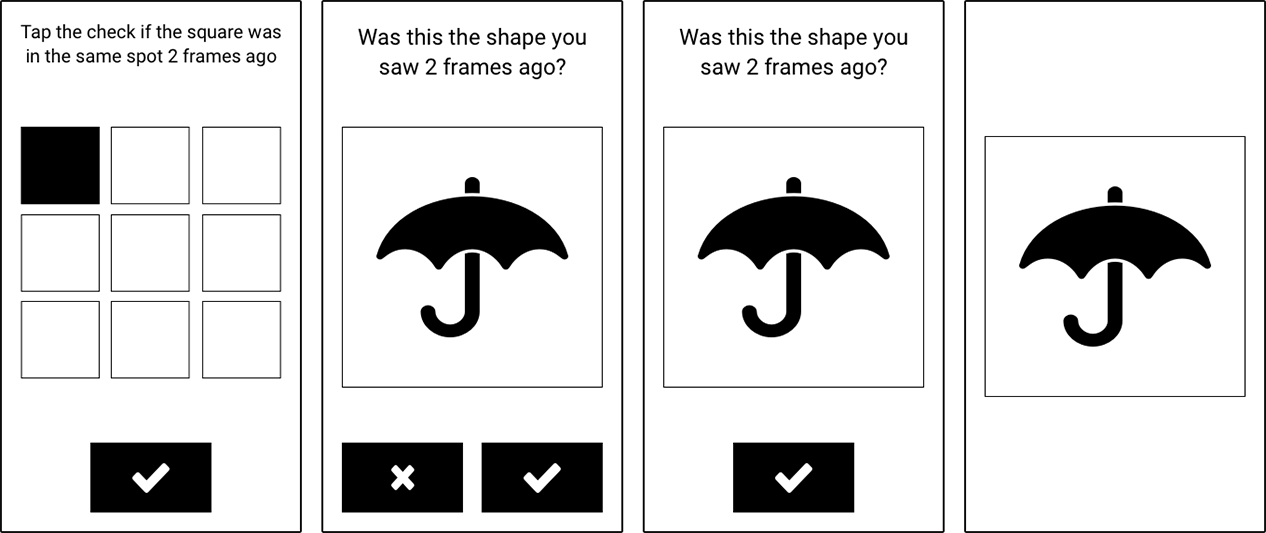
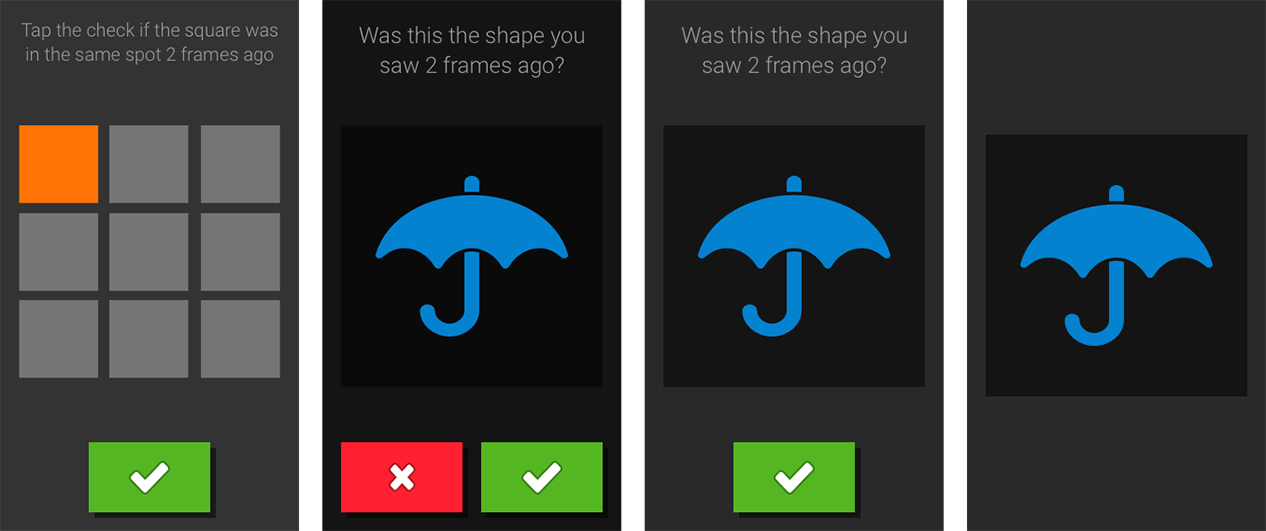
Each task administered as part of the standard cognitive battery had to be quickly sketched, prototyped, and user tested until the team was satisfied that the task was scientifically valid and the user interactions were simple enough to be understood by cognitively impaired users.
Tools: Sketch, Pixate, InVision, Animate CC (formerly Flash), Craft
Each task administered as part of the standard cognitive battery had to be quickly sketched, prototyped, and user tested until the team was satisfied that the task was scientifically valid and the user interactions were simple enough to be understood by cognitively impaired users.
Tools: Sketch, Pixate, InVision, Animate CC (formerly Flash), Craft
4. Build, test, iterate
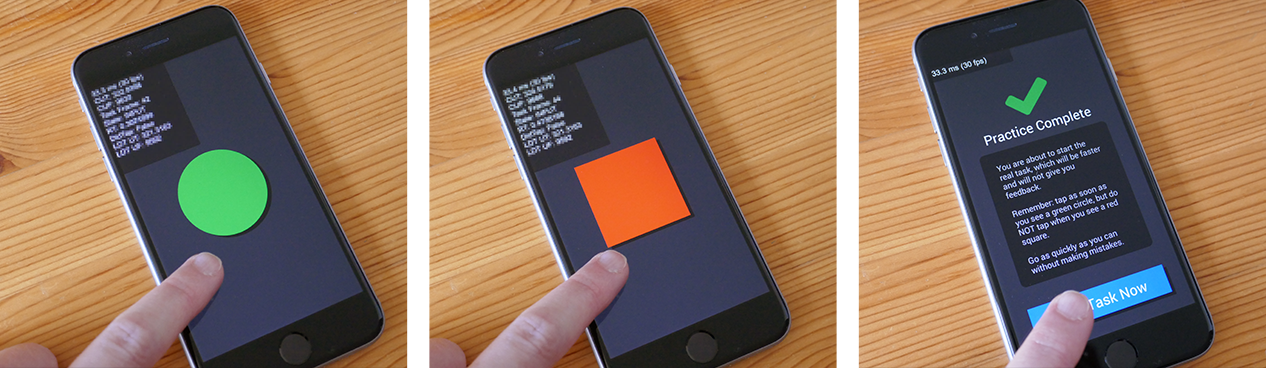
Once we agreed on a design approach with a valid prototype per task, I worked hand in hand with engineers to build the initial UI along with debug tools so we could benchmark performance and compare the user’s perceived experience to computed results.
Once we agreed on a design approach with a valid prototype per task, I worked hand in hand with engineers to build the initial UI along with debug tools so we could benchmark performance and compare the user’s perceived experience to computed results.
We then tested and tweaked each task across a range of devices, with a focus on lower end Android devices, knowing that if we could make the experience great on a low-end Android tablet, we could easily replicate that experience across more performant devices.
5. Design app framework
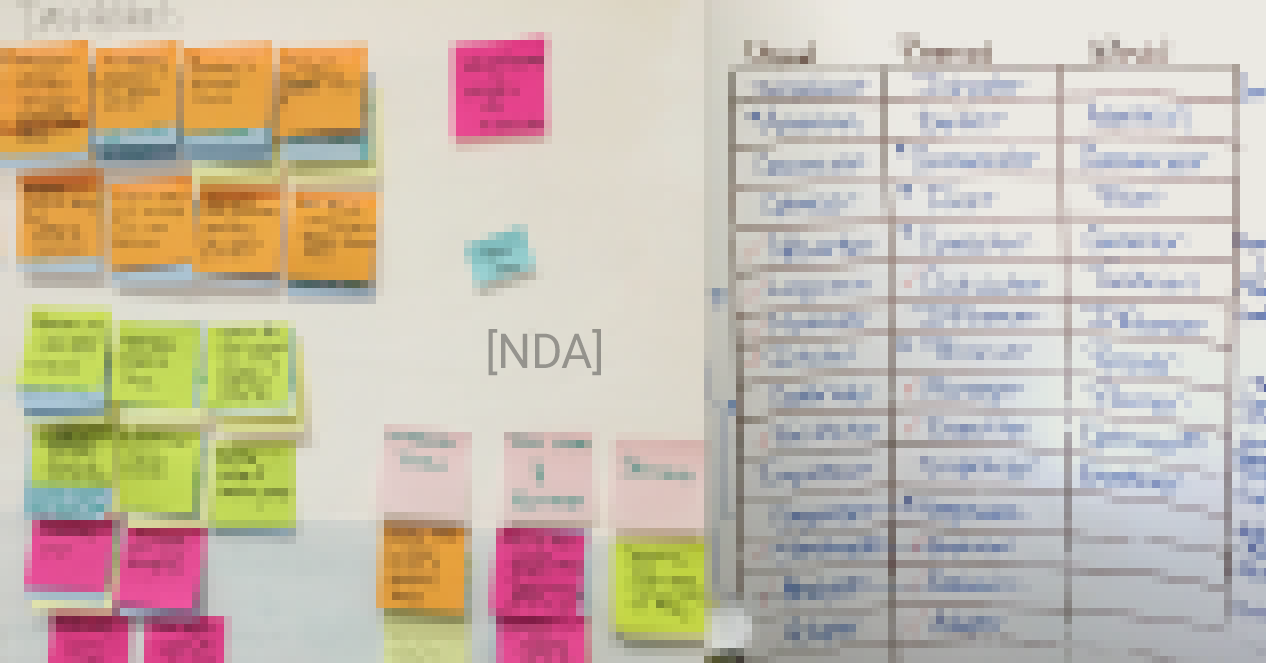
Once we had initial versions of each task up and running, it was time to design the overall app. First, we had brainstorming sessions where we discussed the various types of content and information that we wanted to present to users.
Once we had initial versions of each task up and running, it was time to design the overall app. First, we had brainstorming sessions where we discussed the various types of content and information that we wanted to present to users.
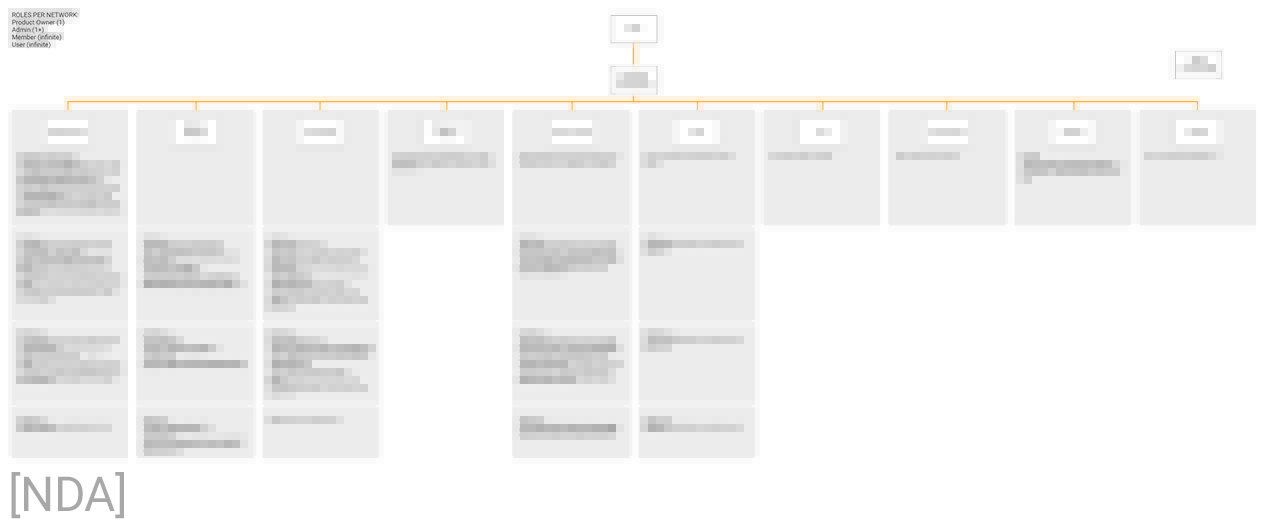
Next, I created an information architecture diagram and categorized the types of information we wanted to include, along with several flow diagrams to show how all the pieces fit together from authentication, to taking a test, to viewing results, to signing out of the application.
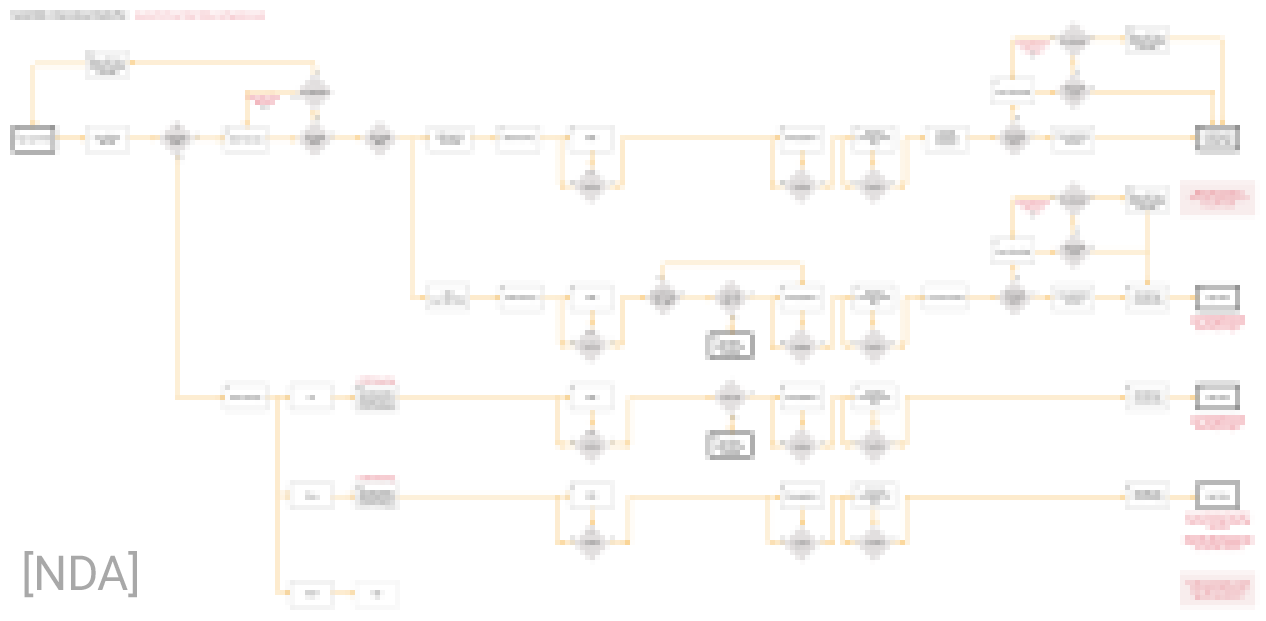
Then, I created some quick wireframes and a prototype based on everything we wanted to include.
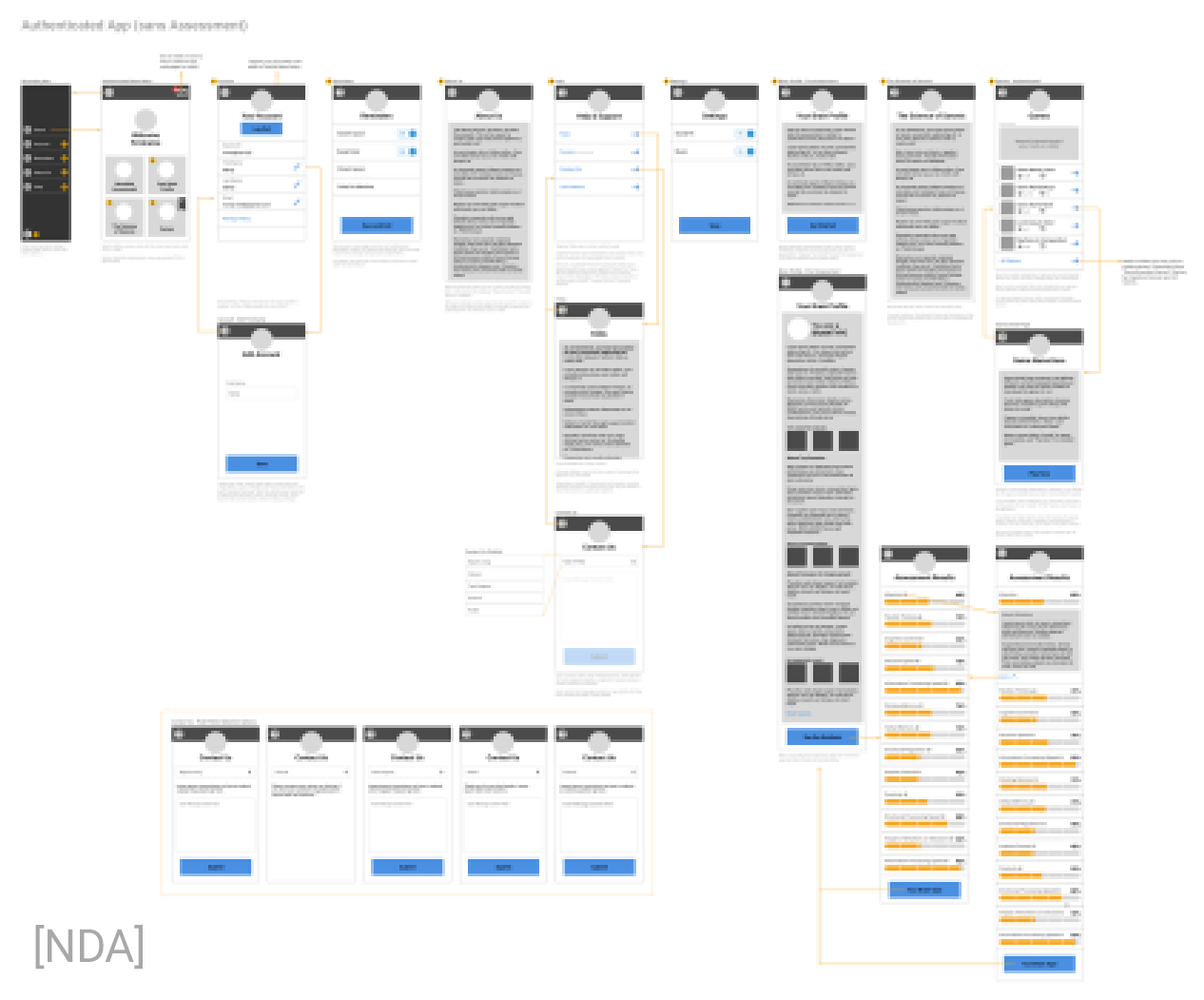
Once we reviewed as a team, we quickly realized that we wouldn’t be able to generate all the content needed and hit our fixed open beta launch date.
As a team we pared back to the MVP making sure to focus on features and functionality that were needed for open beta, while also ensuring our information architecture would support upcoming features and content.
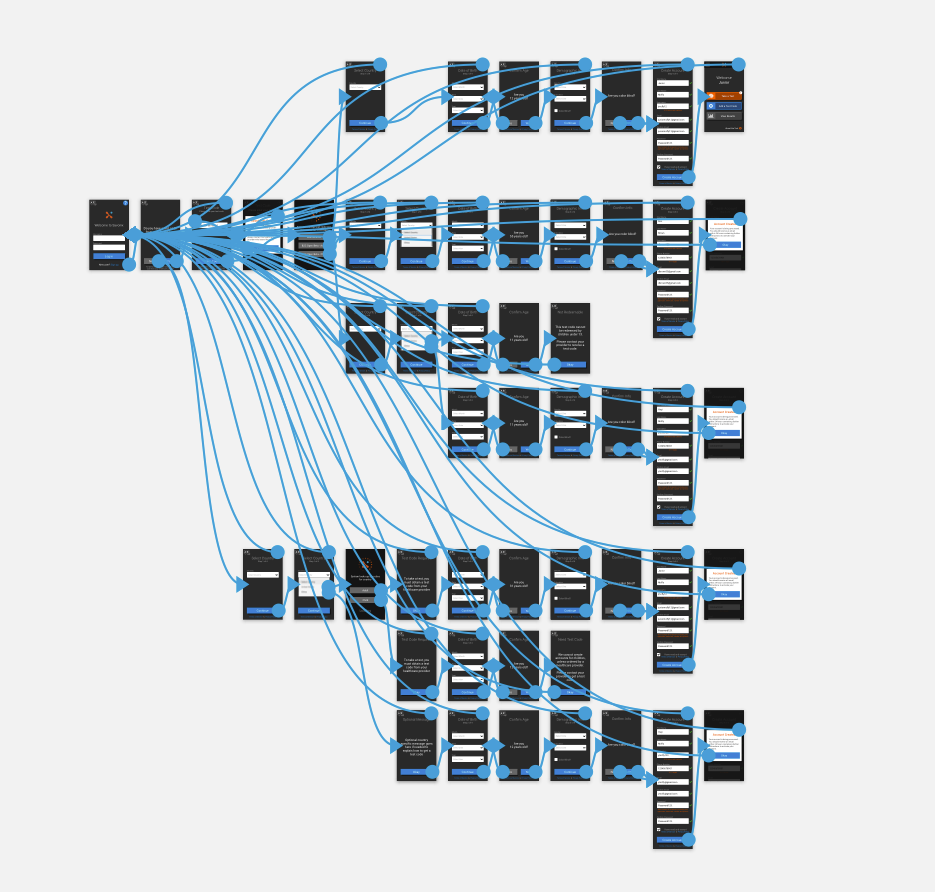
6. Defining UX/UI Style Guide
I took time selecting fonts and color palettes with an emphasis on usability (easily readable fonts, colors that wouldn’t cause undue eye strain, colors with enough contrast they can work for most colorblind users), and tested all font sizes and color palettes on a variety of mobile screens to ensure readability and consistency.
I took time selecting fonts and color palettes with an emphasis on usability (easily readable fonts, colors that wouldn’t cause undue eye strain, colors with enough contrast they can work for most colorblind users), and tested all font sizes and color palettes on a variety of mobile screens to ensure readability and consistency.
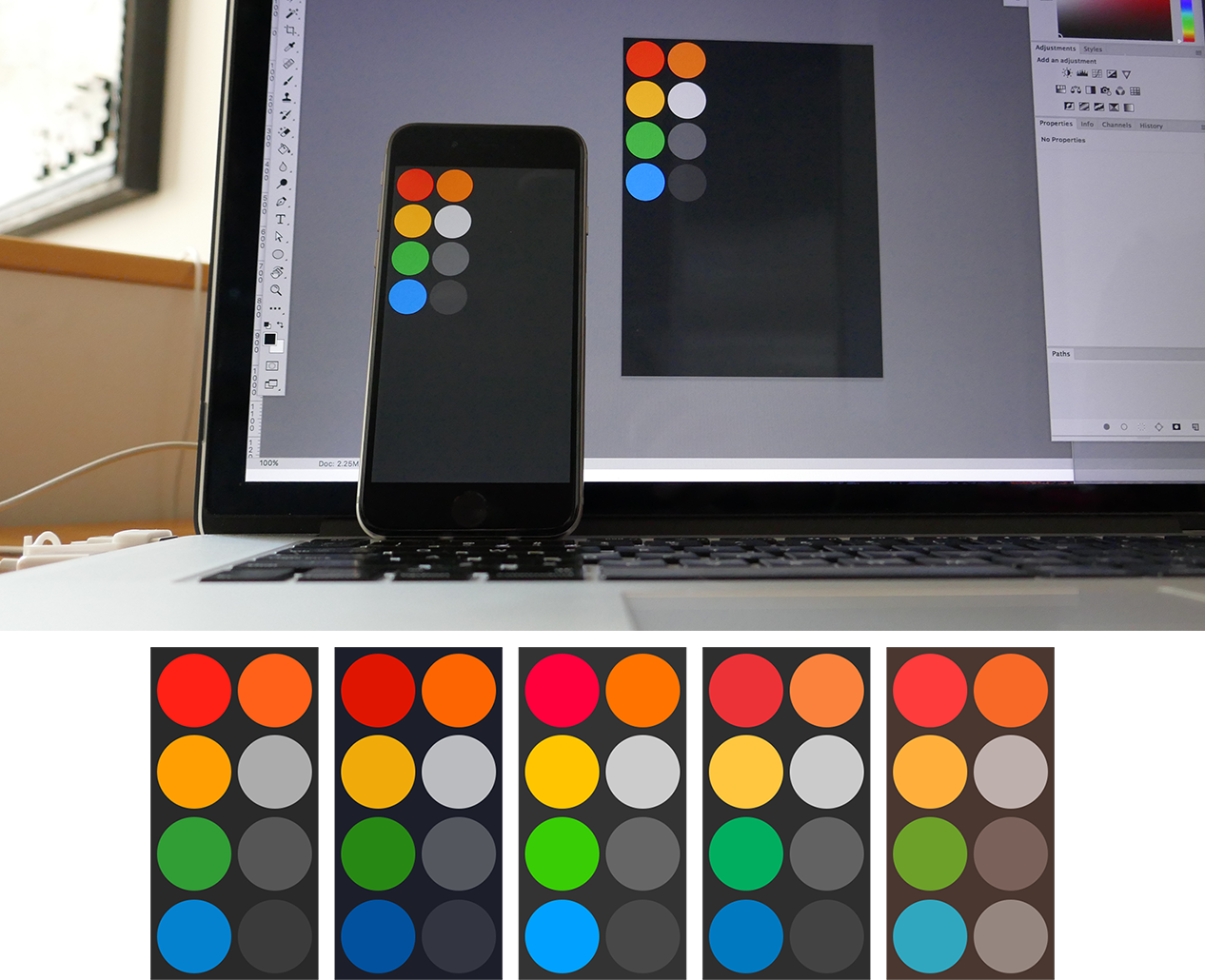
Once the optimal color palette was selected, I created a UI library and style guide that assigned color and meaning to shapes, buttons, icons etc.
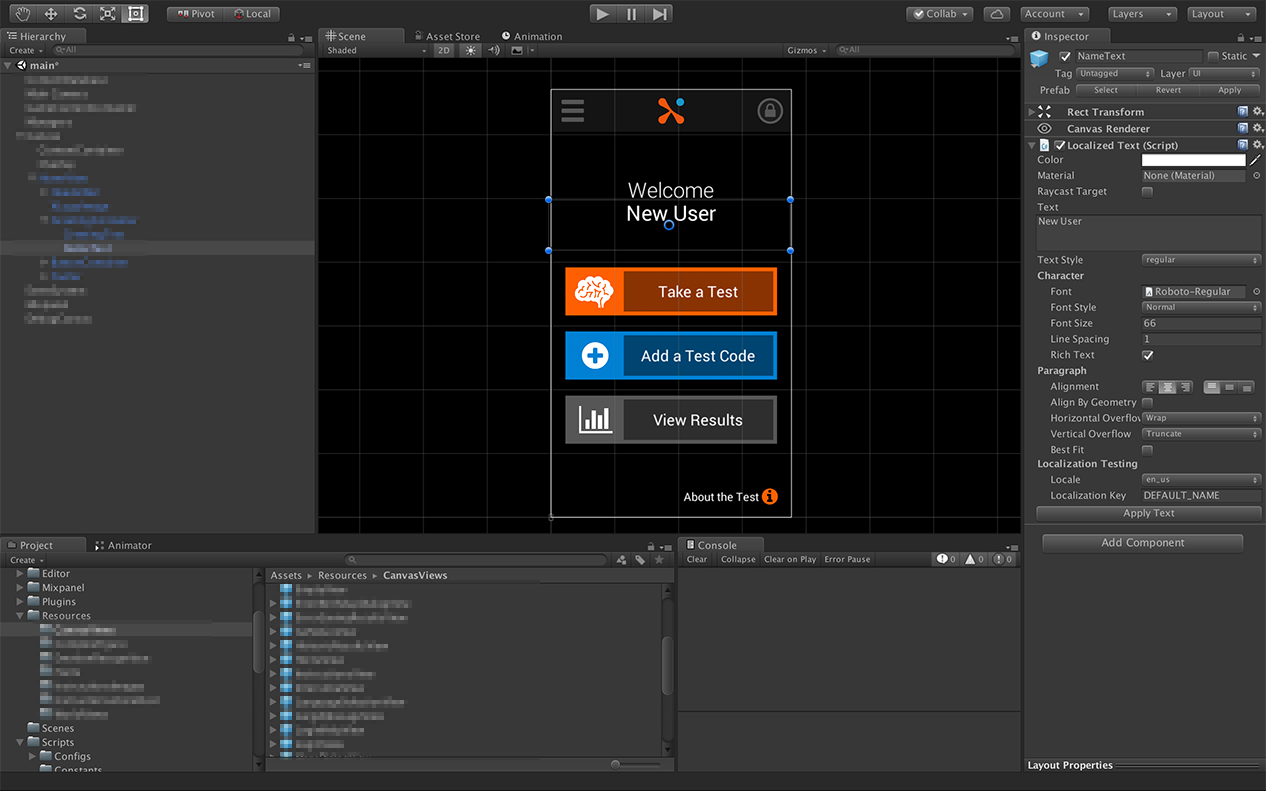
In the meantime, engineering worked on developing the app, and I worked on skinning prefabs and setting fonts, sizes, colors, layout and styles in Unity.
7. Deploy everywhere.
Once we were happy with the overall app and test, we ran it through internal and external QA cycles across a variety of mobile devices ensuring that scoring was working as expected and that performance on device worked cross-platform and on lower end smartphones and tablets.
Once we were happy with the overall app and test, we ran it through internal and external QA cycles across a variety of mobile devices ensuring that scoring was working as expected and that performance on device worked cross-platform and on lower end smartphones and tablets.
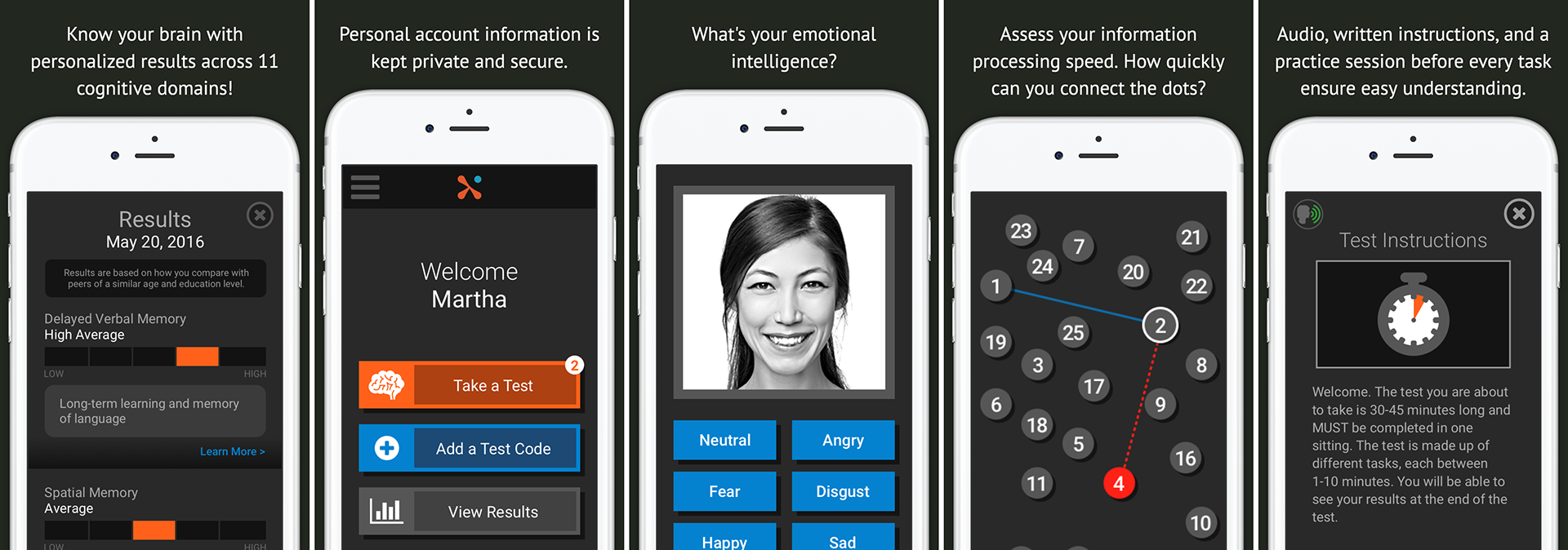
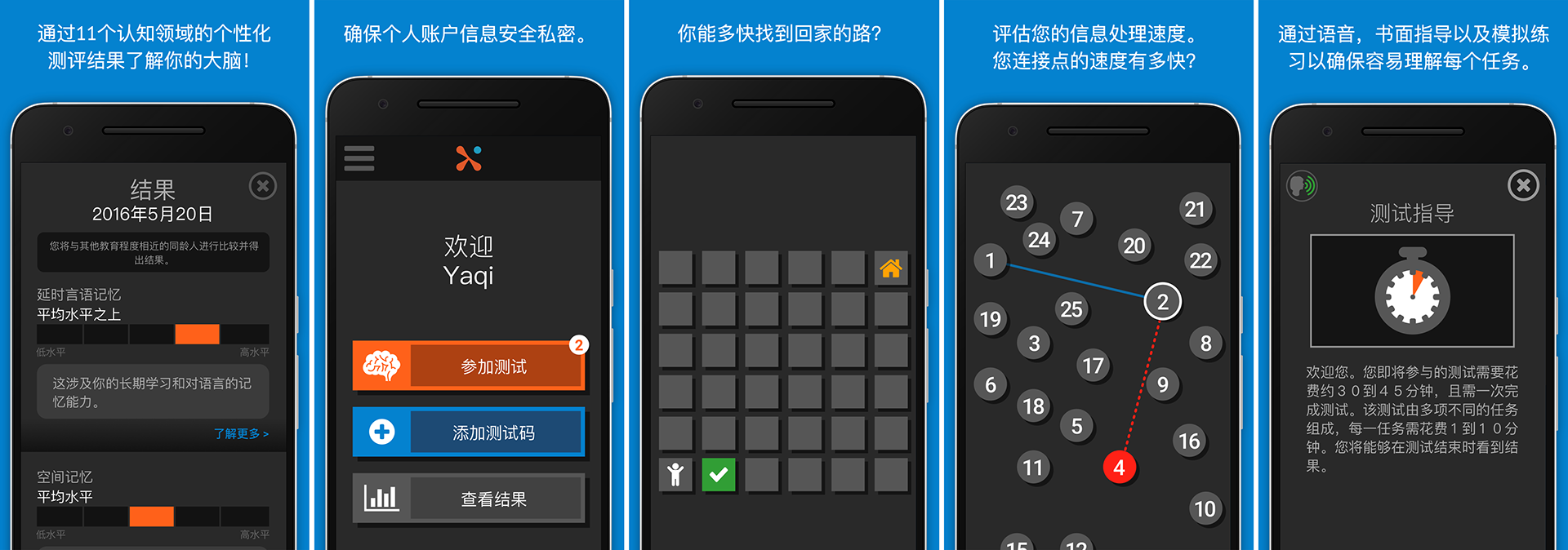
We made our open beta launch date and started gathering feedback from users.
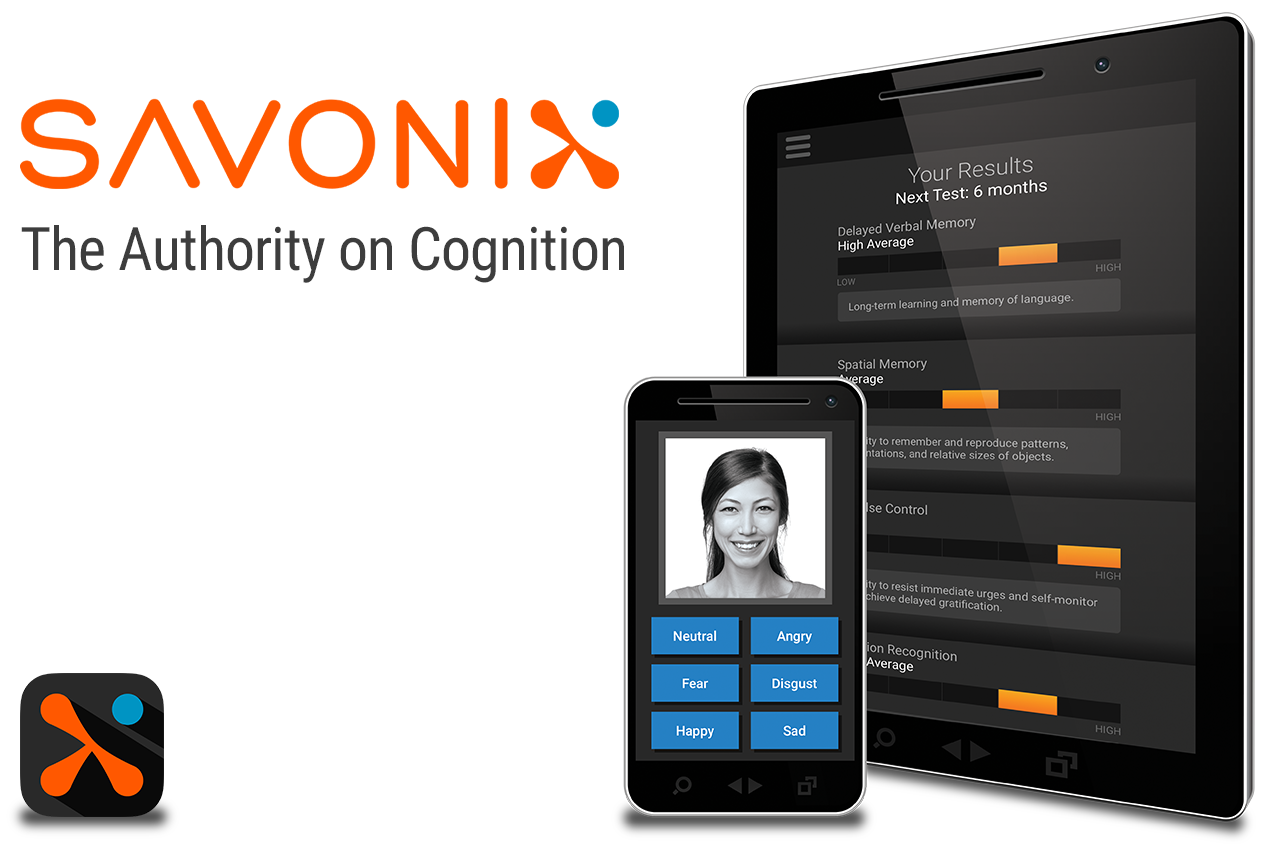
To comply with my confidentiality agreement I have omitted and appropriated confidential information. These designs are a reinterpretation of the original.